


Podgorica architecture walk: from Stara Varoš to the Millennium Bridge
Podgorica can look like several cities stitched together. A narrow street, an Ottoman-era clock tower, a stone bridge by the Ribnica and the broad silhouette of the Millennium Bridge tell very different stories, yet each belongs to the same capital. The most interesting way to understand this contrast is to walk, paying attention to the rivers and the changing scale of buildings. You do not need an exhaustive sightseeing checklist: a half-day route with time to stop and look can reveal why Podgorica has a visual identity unlike the more familiar coastal towns.
Published: 12/11/20265 min read
Begin in Stara Varoš, not in traffic
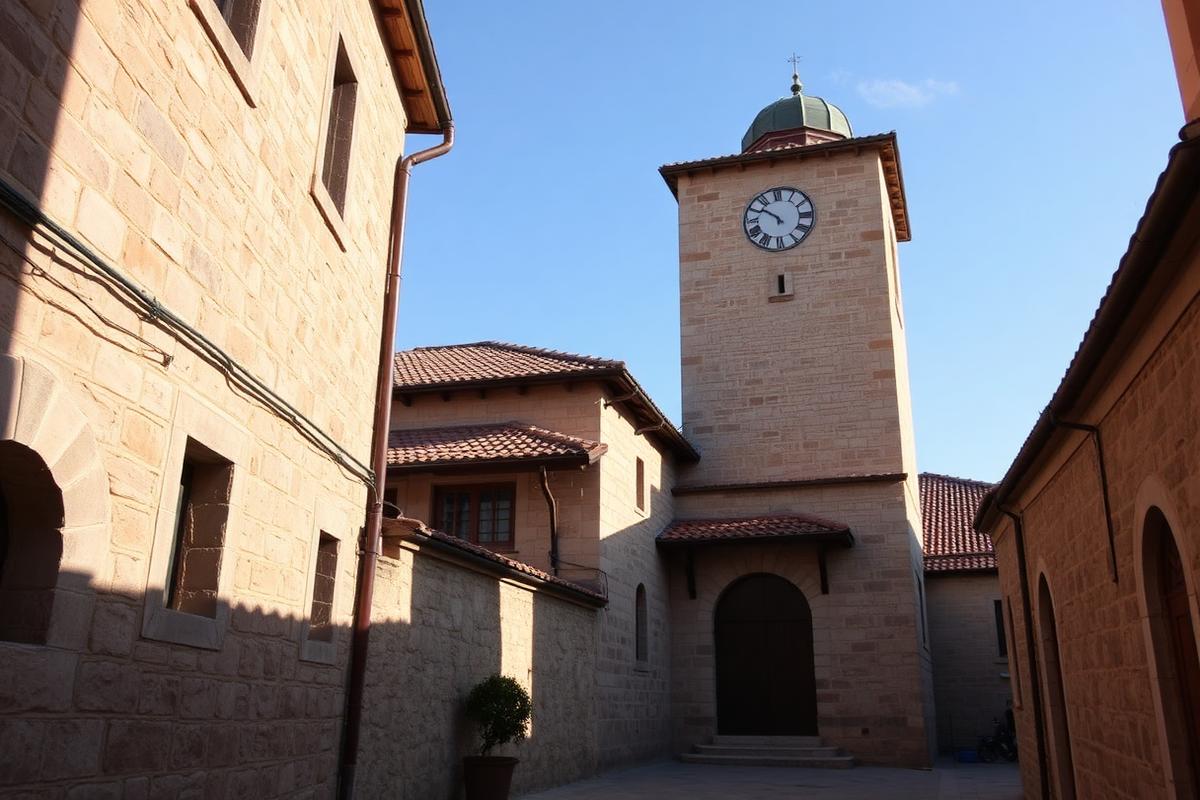
Stara Varoš, the old town, was the core of Podgorica during the Ottoman period. The local tourism organisation describes the years 1474–1879 as important to its urban forms, customs and architecture. Today's neighbourhood is still inhabited, so approach it as a living part of the city rather than a museum set. Start with a slow walk through the streets and look for differences between older stone details, restored facades and newer buildings.
A useful orientation point is the Clock Tower in Bećir-beg Osmanagić Square. According to the tourism office, the tower dates to the eighteenth century and was built by Hadži Mehmed-paša Osmanagić. It is a concrete reference for the area's Ottoman history without needing to reconstruct every missing building. Observe the square and streets around it, but respect religious spaces, private entrances and residents.
Look for the city's smaller historic details
Major landmarks can distract from the urban fabric around them. The city's cultural-monuments guide also identifies the historic hamam and Čubranović House among surviving reminders of older Podgorica. Not every building is necessarily open for visits, and some are better understood from the street. Research the current status before planning any interior tour.
Instead of turning the walk into a contest to photograph every facade, note how the streets feel: the height of buildings, the materials, the gaps between homes and the way shops or cafés occupy the ground floor. A story about architecture becomes more persuasive when it describes the everyday city as well as monuments.
Skaline and the confluence of two rivers
Move towards Sastavci, often called Skaline, where the Ribnica meets the Morača. The official tourism office calls this stone bridge a much-loved local meeting place. Its exact antiquity is traditionally associated with Roman times, but that attribution is presented as a belief rather than an independently established precise construction date. This distinction matters in travel writing: an interesting historic claim should not be turned into false certainty.
Spend time watching the riverbanks, the stone crossing and the city above. Water levels and access vary, particularly after rain. Remain on safe pedestrian areas rather than climbing onto slippery rocks for a dramatic photo. This is a place where natural geography and urban history intersect: two rivers help explain why a settlement developed here and how paths and bridges shaped movement through it.
Cross into Podgorica's modern visual language
From the older riverside environment, continue towards the central streets and the Millennium Bridge area. The contrast is immediate: wider approaches, taller contemporary structures and a bridge that has become a modern visual symbol of Podgorica. Do not measure the city's architecture simply by deciding which era is prettier; ask how different structures solve different needs for crossing, circulation and public identity.
For photography, make at least one frame that includes the bridge and the Morača River rather than isolating the structure against the sky. The image becomes more informative when it shows how infrastructure relates to its surroundings. If you are walking with children or have limited mobility, check suitable pedestrian crossings and avoid assuming that every informal riverside path is accessible.
A detour to Kruševac and the Petrović Palace
Travellers with extra time can consider the Kruševac park area. The tourism organisation identifies the Petrović Palace, built in 1891 as a former residence of the Petrović dynasty, within a palace complex by the Morača River. Its cultural significance connects Podgorica to a different political and architectural period from Stara Varoš.
The site is also associated with contemporary art institutions. Check which exhibition spaces are currently open, their admission conditions and whether photography is allowed. If you make this detour, it may be better to allow a separate afternoon rather than forcing it into a short old-town walk. Good architecture travel writing includes realistic pauses and distances, not just a growing list of names.
Reading change without oversimplifying it
Podgorica's built environment reflects various periods of construction, including historical structures, twentieth-century development and contemporary projects. Some streets have been transformed repeatedly. Rather than describe the entire city as either 'old' or 'modern', use the places on this route as examples of coexistence and interruption. A small remaining landmark can be as informative as a prominent bridge.
The best comparison is not a claim that one building represents everyone in Podgorica. Ask what has been preserved, what is used every day and which public spaces encourage people to gather. This shifts the guide from architectural sightseeing towards an understanding of city life, while keeping it enjoyable for someone visiting for the first time.
Practical route, timing and photography
Set aside at least half a day for this flexible sequence: Stara Varoš and the Clock Tower, Skaline, a central café break, then the Millennium Bridge area. Add Kruševac only if your actual route and available time allow it. Exact walking times depend on your starting point, mobility, weather and detours, so use a current navigation map rather than a rigid promise.
Bring comfortable shoes, a charged phone and sun or rain protection as needed. Morning or late-afternoon light can improve photographs, but conditions change by season. Be discreet around homes and places of worship, and ask before photographing people closely. Save the existing GoPodgorica guide to Stara Varoš for deeper historical context and use GoMontenegroGuide for a broader Montenegro itinerary after the capital.
Plan the next part of your journey
Before you make plans
Always confirm current official information before travelling: access, prices, transport and schedules may change.
Official sources and further information
Dates, tickets, opening hours and schedules can change. Check the official organisers before visiting.
More useful reads
Can I walk between the old town and the modern bridge?+
A central walking route is feasible for many visitors, but choose safe public pedestrian links and check accessibility.
Is the stone bridge definitely Roman?+
The tourism office describes Roman origins as a traditional belief. Avoid treating the exact date as conclusively proven.
Do I need a guide?+
Not necessarily for an introductory walk. A qualified local guide can provide deeper context and help interpret less obvious remains.
Is the Petrović Palace always open?+
Do not assume so. Check current access and exhibition information before visiting.
Local stories
 Events
16 Nov 20265 min read
Montenegro Made Expo: meet local producers in Podgorica on 19–20 November
Two days at Bemax Arena offer a different way to discover the capital through Montenegrin products, makers and conversations.
Read the story Arts & culture
16 Nov 20265 min read
Guitar Days in Podgorica: two musical evenings for November and December
Classical guitar, a December programme extending to jazz, and separate learning sessions: plan a musical evening in the Montenegrin capital.
Read the story