

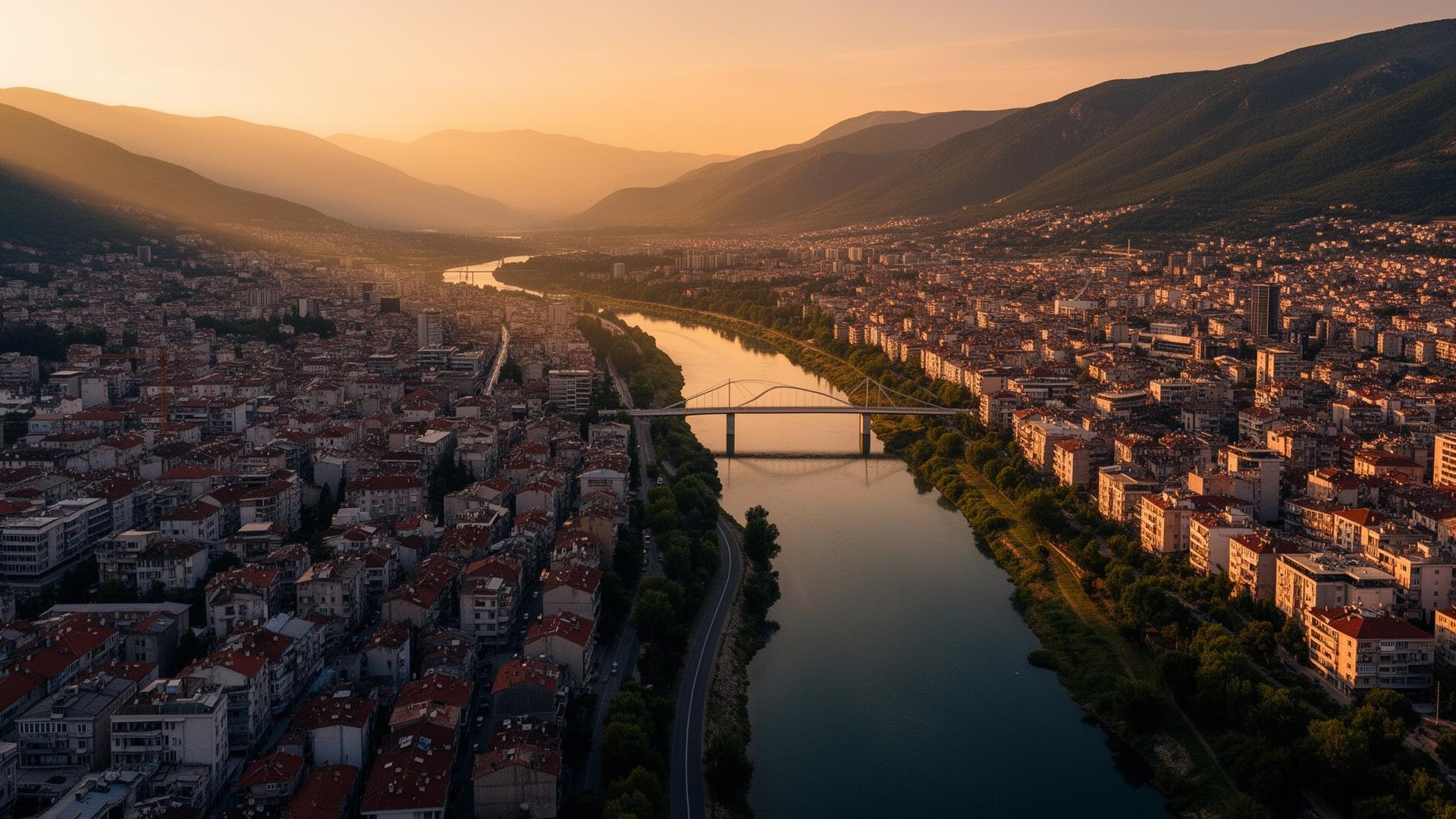
Beyond the coast: why tourism matters to Podgorica's local economy
Montenegro's tourism industry is often represented by images of beaches, marinas and the Bay of Kotor. Yet the capital occupies a different position: a gateway for arrivals, a year-round business city and a base for cultural visits, wineries, Lake Skadar and inland itineraries. Understanding Podgorica's visitor economy means looking beyond a simple count of tourists. It means examining where visitors stay, how services connect and why a wider geographical spread of travel could matter for local businesses. The numbers are useful only when their source and time period remain clear.
Published: 12/11/20265 min read
The coastal concentration in the official figures
A country guide issued by the U.S. International Trade Administration on 12 January 2026 reports that Montenegro received 2.61 million visitors and 15.59 million overnight stays in 2024. It states that 94% of those overnight stays were concentrated along the Adriatic coast. These are historical, nationwide figures: they do not describe overnight stays in Podgorica specifically, and they should not be mistaken for 2026 results.
The proportion shows how strongly tourism has been associated with the sea. It also explains interest in other areas of the country, such as mountains, lake regions and cultural destinations. A broader geographical mix could make travel experiences less dependent on one kind of holiday, but it will not happen automatically. Transport, promotion, service quality and actual customer demand all matter.
What Podgorica can offer that the coast cannot
Podgorica is not trying to imitate a seaside resort. It has a different appeal: museums, galleries, historic neighbourhoods, an urban food scene, business services and access to surrounding landscapes. The official local tourism organisation lists the Gorica recreation area, Stara Varoš, Skaline and the wine estates around the capital, showing how varied short visits can be.
For visitors, the opportunity is to combine a practical city stay with one or two excursions. For local operators, it can mean more reasons for people to spend time in the capital rather than passing directly from airport to coast. That remains a potential outcome, not a measured increase in bookings: current local hotel and visitor data would be needed to quantify the impact.
Small businesses are connected along the visitor journey
A traveller who spends a night in the city may use accommodation, a café, a restaurant, a taxi, a guide and a nearby winery. These businesses can form a chain of purchases, but we should not pretend that every euro remains in the local economy or benefits each operator equally. Ownership, employment, supplier relationships and the visitor's choices influence the final effects.
A well-designed tourist guide can help people discover services by explaining where they are, when they operate and how to contact them. That is more useful than a page filled with promotional slogans. Small companies may benefit from accurate multilingual information, transparent reservation conditions and the ability to respond to visitors promptly. The visitor needs reliable choices, not an assumption that every small enterprise is automatically high quality.
Lake Skadar and wine country as complementary experiences
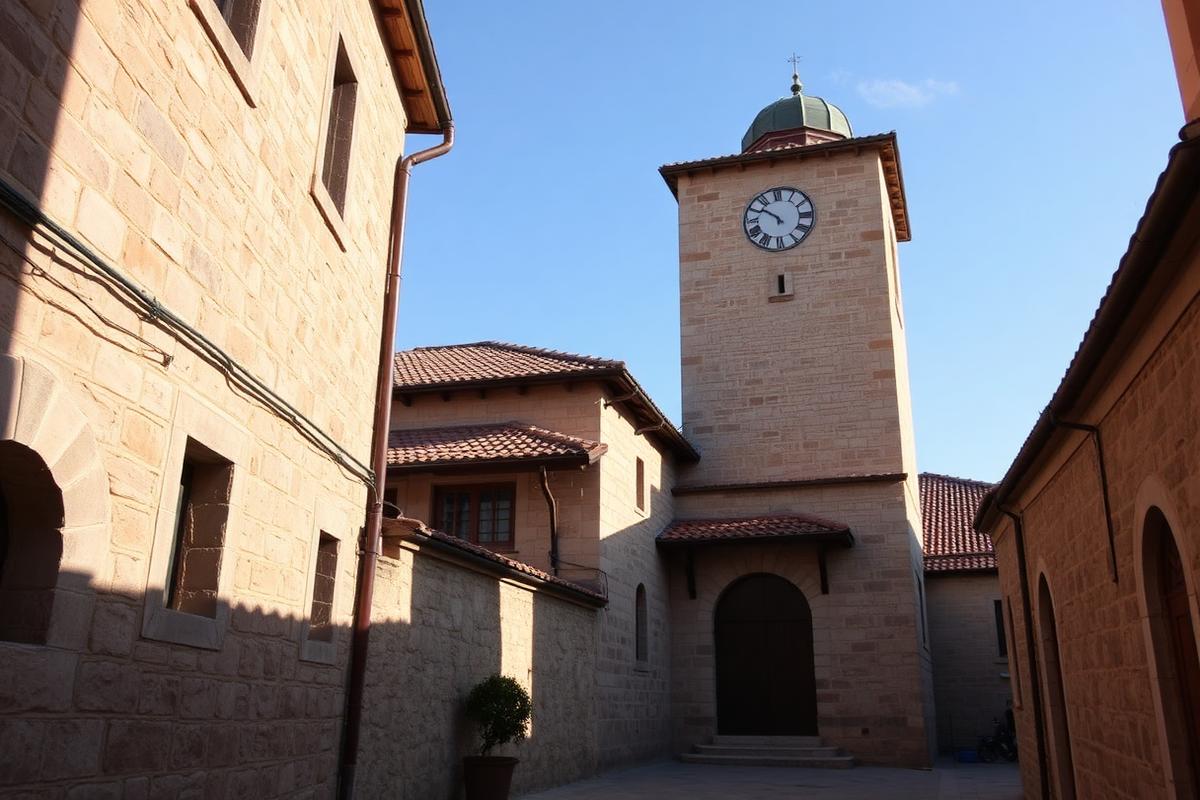
Lake Skadar, a protected landscape associated with birdlife and wetlands, is one example of an experience visitors can arrange from Podgorica. The tourism office highlights boat trips, nature trails and the visitor centre on Vranjina. Travel time and activity availability depend on the exact starting point, season and weather, so it is misleading to advertise a fixed itinerary for everyone.
Wine tourism is another connection between the capital and its hinterland. The tourism organisation lists Plantaže and a number of family wineries. A responsible article should encourage visitors to check current tastings, transport and whether advance reservations are required. The strongest local economic story is not that every visitor must buy a tour, but that different interests create opportunities for different types of responsible service.
Municipal support is evidence of policy interest, not success
Podgorica announced a €40,000 municipal competition for rural tourism and hospitality in April 2026, intended for defined areas and eligible applicants. The official deadline was 27 April 2026. This is a completed application window and must never be presented as a funding opportunity still open in November. The announcement shows a policy objective, not the amount ultimately paid out or the number of businesses whose revenue increased.
To judge results, a journalist would need award decisions, disbursement details and ideally evidence of actual improvements at supported businesses. A programme budget alone is not proof that new visitor demand has appeared. For future calls, readers should use the city's current entrepreneurship and rural-development pages instead of relying on an old article for application dates.
The risk of overpromising local growth
Tourism diversification comes with trade-offs. Environmental protection matters at Lake Skadar; public space and neighbourhood life matter in the capital; remote areas may have limited transport or seasonal capacity. A responsible growth story should consider costs, conservation and resident needs as well as commercial opportunities.
Metrics should also be kept separate. National overnight stays are not a measure of Podgorica retail sales; a rise in registered businesses is not the same as higher earnings; and a municipal grant is not the same as a completed investment. Good reporting explains these limits clearly rather than combining impressive-sounding but incompatible figures.
What travellers and local companies can do now
Travellers can build a realistic itinerary that includes Podgorica itself: a cultural evening, a local meal, an old-town walk and perhaps one carefully planned lake or wine experience. Check that operators are legitimate, ask for clear prices and availability and respect local environmental rules. Spending thoughtfully matters more than moving through a long list of attractions.
Local businesses can make their offerings easier to understand with accurate multilingual descriptions, correct opening information, clear meeting places and transparent ways to book. The next stage for GoPodgorica's editorial coverage should include documented interviews with willing owners and official local figures, not invented success stories. If the city can be understood as a destination in its own right, readers gain better travel choices and the local economy receives more informed attention.
Plan the next part of your journey
Before you make plans
Always confirm current official information before travelling: access, prices, transport and schedules may change.
Official sources and further information
Dates, tickets, opening hours and schedules can change. Check the official organisers before visiting.
More useful reads
Does the 94% figure describe Podgorica?+
No. It refers to Montenegro's coastal share of all national overnight stays in 2024, as reported in a January 2026 country guide.
Are the 2026 municipal rural-tourism grants still open?+
The cited competition closed on 27 April 2026. Check new official notices for future opportunities.
Can a day trip benefit local businesses?+
It may involve several services, but actual economic effects require evidence about spending, ownership and suppliers.
What should visitors book first?+
Choose accommodation and confirm transport, then select one suitable cultural or natural experience based on current information.
Local stories
 Events
16 Nov 20265 min read
Montenegro Made Expo: meet local producers in Podgorica on 19–20 November
Two days at Bemax Arena offer a different way to discover the capital through Montenegrin products, makers and conversations.
Read the story Arts & culture
16 Nov 20265 min read
Guitar Days in Podgorica: two musical evenings for November and December
Classical guitar, a December programme extending to jazz, and separate learning sessions: plan a musical evening in the Montenegrin capital.
Read the story