
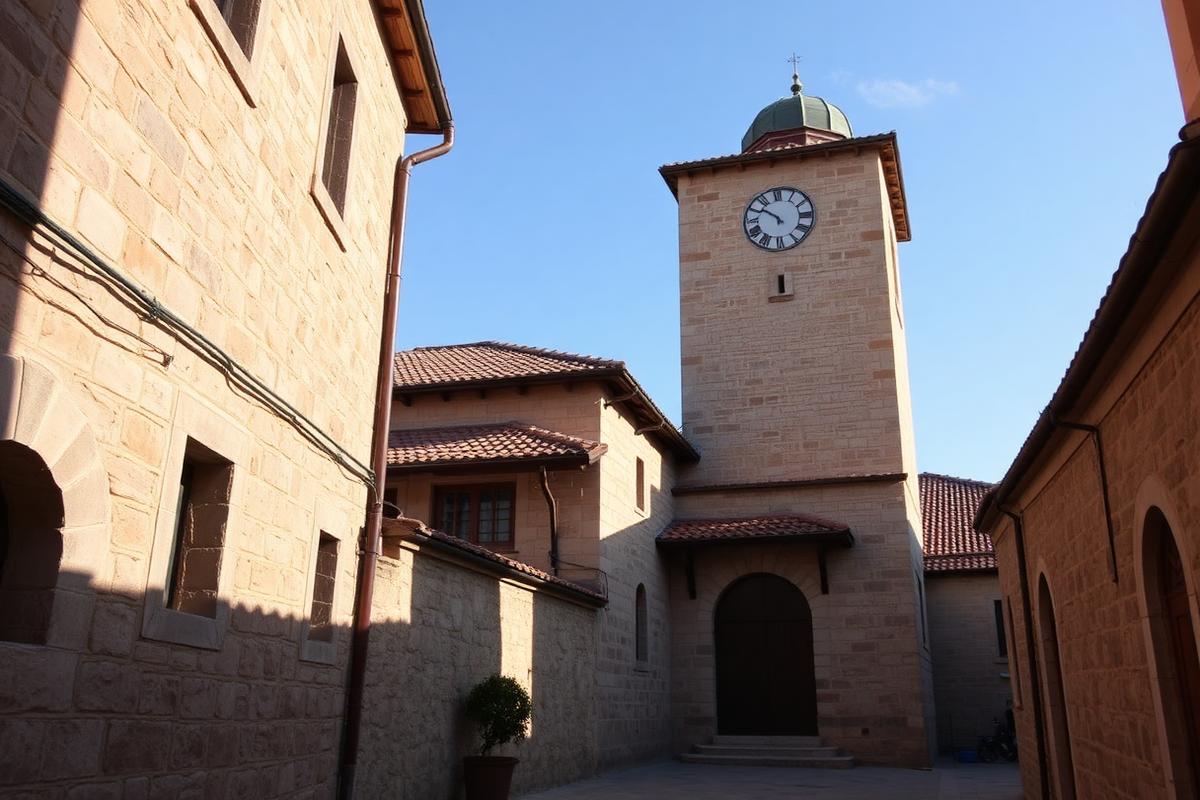
What Gintaš actually is
Gintaš is one of Podgorica's well-known local market areas — a working everyday market, not a curated food hall. Stalls and small shops, a steady morning crowd, neighbors who know each other, vendors who have been at the same spot for years. People come here to buy what they are going to cook for lunch — not to take photos.
Why it matters locally
Markets are where the real rhythm of a city shows. Gintaš sits firmly in that category for Podgorica — not because it is a major sight, but because thirty minutes here teach you more about how locals live, eat and budget than any monument in the centre. It is also a useful counterweight to Stara Varoš, which has slowly become the "official" old town experience.
What to expect
- Fresh fruit and vegetables, often grown in the surrounding plain
- Cheese and kajmak from small mountain producers
- Cured meat — pršut from Njeguši, suho meso, sausages
- Honey from Kolašin and the northern mountains
- Seasonal goods: figs and grapes (Sep), mushrooms and chestnuts (Oct), citrus (winter)
- Household goods, simple clothing, kitchen basics
Best time to visit
Weekday mornings between 08:00 and 11:00 are best. That is when the market is fullest and most authentic — produce is fresh, vendors are talkative, and you can taste before you buy. Saturday morning is also strong but more crowded. Late afternoons get quiet as stalls close down, and Sunday is the slowest day.
Local tips — how to do it well
- Bring small cash. €5, €10, €20 notes. Most stalls don't take cards and few have change for a €50 in the morning.
- Taste before you buy. Cheese vendors will offer a sliver; honey sellers will offer a spoon. Saying yes is expected, not pushy.
- Don't haggle aggressively. Prices are already low and mostly fair. Rounding down €0.20–€0.50 is fine; bargaining hard is not.
- Ask before photographing people up close. A nod and a smile go a long way; pointing a camera silently does not.
- Move slowly. The point is to observe and connect — not to tick a shopping list.
- Bring a small bag. Most stalls give thin plastic bags; a cotton tote keeps fragile produce intact.
Who Gintaš is good for
- Slow travelers who enjoy markets as a way to read a city.
- Food-focused visitors wanting to see where local restaurants buy their cheese, pršut and produce.
- Digital nomads staying long enough to cook at home.
- Families with older kids — colours, smells, animals, a different kind of "museum".
It is not a fit for travelers expecting a polished gourmet food hall like Borough Market or Mercado de San Miguel. Set expectations accordingly and the visit becomes one of the most memorable hours in the city.
Nearby places to pair it with
Gintaš sits in central Podgorica, so it pairs naturally with a coffee in the city centre or a longer walk through Stara Varoš, the old Ottoman quarter. For a complete morning, finish with a traditional lunch at Pod Volat — five minutes away on foot. For more context on what locals cook with the produce you'll see here, read the traditional Montenegrin food guide.
Final verdict
Gintaš isn't a bucket-list stop. It is the kind of place that makes Podgorica feel like a real city instead of a checklist — and one of the cheapest, most human experiences in the capital. Worth an hour for anyone who travels for life rather than monuments.
FAQ
Gintaš Podgorica — common questions.
What is Gintaš in Podgorica?+
Gintaš is one of Podgorica's well-known local market areas — a working everyday market where residents shop for fresh produce, cheese, meat, household basics and clothing.
Is Gintaš a tourist attraction?+
Not in the traditional sense. It is a working market for locals, which is exactly what makes it interesting for travelers curious about everyday life in Podgorica.
When is the best time to visit Gintaš?+
Weekday mornings between 08:00 and 11:00, or Saturday morning. That is when the market is most active and most authentic. Avoid late afternoons when stalls start closing.
Do I need to speak Montenegrin?+
Not really. Pointing, smiling and basic numbers are enough. A few words (dobar dan = hello, hvala = thank you, koliko = how much) make everything friendlier.
What can I buy at Gintaš?+
Fresh fruit and vegetables, local cheese and kajmak, cured meat (pršut, suho meso), bread, honey, household basics, simple clothing and seasonal goods like figs, mushrooms or chestnuts.
Can I pay by card?+
Generally no. Most stalls are cash-only. Bring small euro notes (€5, €10, €20) — vendors rarely have change for €50 in the morning.
How long should I plan for a visit?+
30 to 60 minutes is plenty. Pair it with a coffee in Stara Varoš afterwards for a complete morning rhythm.
Is Gintaš safe?+
Yes. It is a normal, busy public space in central Podgorica. Standard travel awareness (keep an eye on bags in crowded aisles) is enough.