
Last reviewed 30 September 2026 · Check time-sensitive opening and transport details before travel
Quick answer: what should you do in Podgorica?
Start in Stara Varoš, walk through the center to the Morača river and Millennium Bridge, eat a traditional local lunch, and finish at Gorica Hill or a riverside café. With a second day, add Niagara Falls or Lake Skadar.
Is Podgorica worth visiting?
Podgorica is not a classic monument-heavy European capital. Its value is the contrast between Ottoman-era Stara Varoš, broad modern streets, two rivers, relaxed café culture and quick access to some of Montenegro's most useful day trips. Travelers expecting a polished postcard city may prefer the coast; travelers interested in everyday life, food and a practical base often find Podgorica more rewarding than expected.
One full day is enough for the central city. Two days are better because they allow a nearby nature or lake trip without rushing the local experience.
Top sights
The best things to do in Podgorica.
Stara Varoš and the Clock Tower
Podgorica's historic old-town area, with narrow streets, stone buildings, the Clock Tower and traditional food nearby.
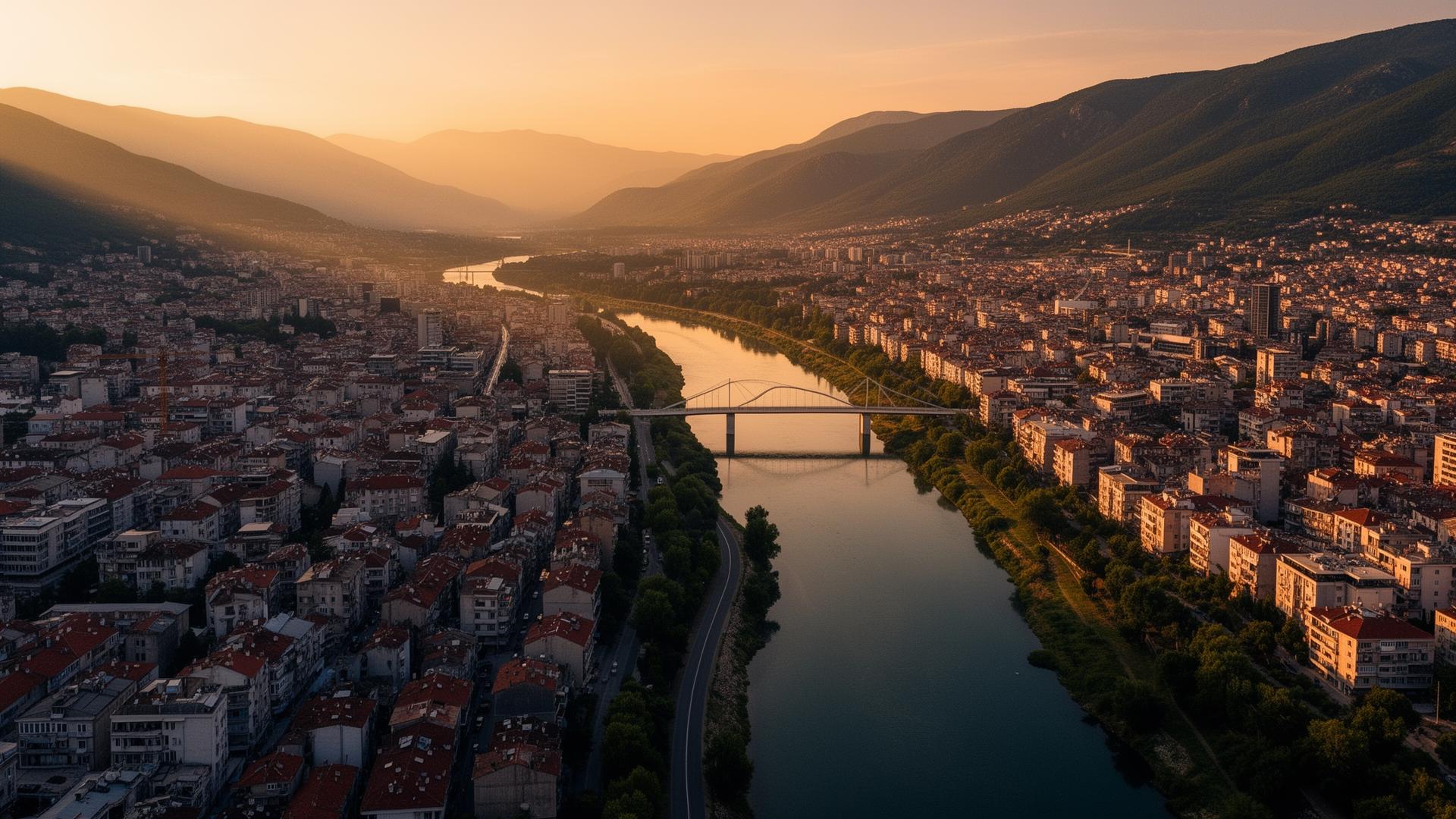
Millennium Bridge and the Morača river
The city's modern landmark and one of the easiest places to combine a river walk with views of central Podgorica.
Gorica Hill
A wooded hill close to the center, used by locals for walking, running and a wider view over the city.
Cathedral of the Resurrection
A major Orthodox cathedral with a richly decorated interior. Dress respectfully and check access around services.
Gintaš market
A useful stop for local produce, cheese, cured meat, seasonal fruit and a more everyday view of Podgorica.
Niagara Falls Podgorica
Small seasonal waterfalls on the Cijevna river, best treated as an easy half-day trip combined with lunch.
One-day itinerary
How to spend one day in Podgorica.
Local experiences
What makes Podgorica feel local.
- Take coffee slowly. Café culture is part of daily life, not simply a break between attractions.
- Visit Gintaš market. Go for produce, dairy, cured meat and a more everyday view of the city.
- Walk beside the rivers. The Morača and Ribnica give the center its most recognizable landscape.
- Eat traditional food. Grilled meat, local dairy, bread, sač dishes and Montenegrin wine are central to the experience.
- Use the city as a base. Podgorica is well placed for Lake Skadar, monasteries, the coast and the north.
Day trips
Best day trips from Podgorica.
Lake Skadar and Virpazar
Boat trips, lake scenery, viewpoints and small settlements south of Podgorica. A strong choice for a full day.
Niagara Falls and the Cijevna river
The nearest easy nature trip. Go after rain or in spring when the river normally has stronger flow.
Bar and the Adriatic coast
A coastal day with Old Bar, sea views and a change of landscape. Allow enough time rather than treating it as a quick stop.
Ostrog Monastery
A famous Orthodox pilgrimage site built into a cliff north of Podgorica. Dress modestly and expect a longer road trip.
Kolašin and the north
Mountain scenery, cooler summer temperatures and access toward Biogradska Gora for travelers with more time.
Practical planning
Costs, transport and timing.
Prices and transport conditions can change. Use these categories for planning, then verify live rates and schedules before travel.
Travel tools
Plan the practical side of the trip.
FAQ
Things to do in Podgorica — common questions.
Is Podgorica worth visiting?+
Yes, especially for travelers who want a calm, lived-in capital, local food and an easy base for Lake Skadar and nearby nature. It is less about famous monuments and more about neighborhoods, rivers, cafés and everyday Montenegro.
How many days do you need in Podgorica?+
One full day covers the main city sights and a local meal. Two days allow a short trip to Niagara Falls or Lake Skadar. Three days work well for a slower visit with cafés, markets and another day trip.
What are the best things to do in Podgorica in one day?+
Walk Stara Varoš and the Clock Tower, continue through the center to the Morača river and Millennium Bridge, have a traditional lunch, then finish at Gorica Hill or a riverside café.
What is the best time to visit Podgorica?+
Spring and early autumn are usually the easiest periods for walking and day trips. Summer can be very hot, so plan outdoor activities in the morning and evening.
Is Podgorica safe for tourists?+
Podgorica is generally considered a calm city for visitors. Use normal travel awareness, especially with transport, valuables and late-night movement.
What can you do near Podgorica?+
Popular nearby options include Niagara Falls on the Cijevna river, Lake Skadar and Virpazar, Dajbabe Monastery, Ostrog Monastery and the coast around Bar.
Can you explore Podgorica without a car?+
The central sights are walkable and taxis are useful for short city trips. A car becomes more helpful for Lake Skadar, monasteries and other destinations outside the center.
Continue exploring